Commentary: Farm Bill would deliver cruelty
Published in Op Eds
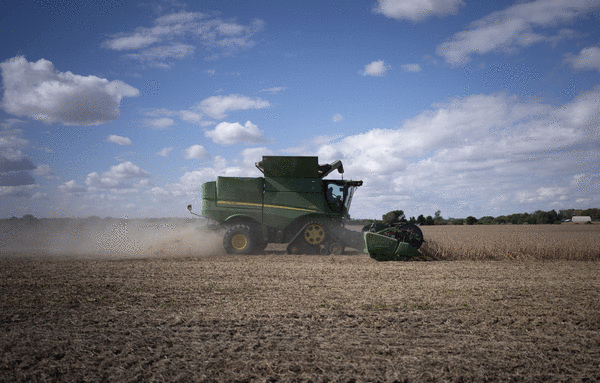
As a minister and a rabbi, we write to decry the 2026 House Farm Bill that was sent to the Senate in late May. The bill, as written, is cruel and will increase suffering.
It threatens to push even more farmers out of business while eliminating democratically enacted bans on some of agriculture’s cruelest practices. The Farm Bill, which the Senate is expected to take up in July or August, amounts to a striking rejection of fundamental American moral values.
Every major world religion teaches that we must share our bounty to feed the hungry. Such values are ingrained in the American character: that we care for neighbors, feed hungry children and measure society by how it treats its most vulnerable. This Farm Bill — officially the Farm, Food and National Security Act of 2026— fails completely on this front.
Let’s begin with the Supplemental Nutrition Assistance Program, which is slated to receive the largest cuts to federal food assistance in American history —$187 billion over 10 years, at a time of skyrocketing food costs, economic stagnation and global economic uncertainty.
The Farm Bill also cements a shift of billions in SNAP costs from the federal to state budgets. This, according to the Congressional Budget Office, will push some states to restrict eligibility or “possibly leave the program altogether.” In all, catastrophe: the bill cuts the equivalent of 9 billion meals per year.
The Farm Bill codifies tightened eligibility requirements for those least able to recover from losing SNAP. Veterans carrying invisible trauma from war. Young people who’ve aged out of foster care with no family safety nets. People who lack safe or stable housing.
The bill also fails the farmers who feed us. America’s tradition of supporting its farmers is grounded in awareness that farming is not optional, but society’s bedrock. But federal policy benefits large industrial operations while leaving many independent farmers facing financial disaster.
In 2025, farmer bankruptcies mushroomed 46% from the previous year. Few farmers anticipated that a 2026 war in the Middle East would cause a massive spike in fuel and fertilizer prices. Without intervention, many more independent farmers may go bankrupt this year.
Farmers who’ve invested in higher-welfare animal housing have been visiting senators’ offices to protest provisions that further threaten their survival. Section 12006 would undo state bans on one of the cruelest practices in agriculture: confining mother pigs in gestation crates, so cramped that they cannot turn around, for months on end.
The first states prohibiting the practice were conservative Florida and Arizona. In California and Massachusetts ballot initiatives, the most direct form of democracy available to Americans, voters supported the ban with decisive majorities of 63% and 78%.
Despite the conservative Supreme Court upholding California’s ban, the pork industry remains determined to obstruct Americans from exercising our informed ethical judgment to curb cruelty. Christian, Jewish, Muslim, Buddhist, Hindu and Indigenous communities all teach that living beings deserve compassion and protection from needless harm. Americans see causing extreme suffering for the sake of profit as a moral failure.
This cruel bill would knowingly cause suffering to some of our nation’s most vulnerable people, to farmers and their families, and to animals whose welfare hinges on democratic accountability. This unnecessary suffering can be enacted or repudiated.
Americans would be proud of a Farm Bill that aims to keep children and elders from going to bed hungry. That ensures hardworking farming families can weather economic storms caused by a war not of their making. That shifts resources away from expanding the largest industrial animal factories toward more sustainable crop production and higher-welfare animal farming.
That respects state and local democratic self-governance.
Objectives like these belong in the Farm Bill. But basic decency demands that a Farm Bill at least not be cruel. We will see whether this Congress clears that lowest of bars. And we will not be the only ones watching.
____
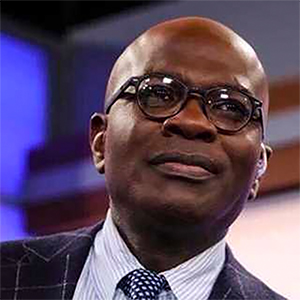
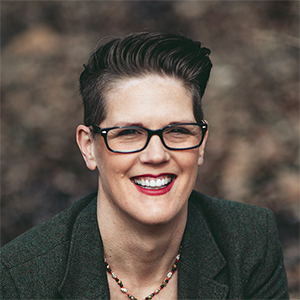
Rev. John Gibb Millspaugh serves as executive director of Unitarian Universalist Animal Ministry, director of education at Farm Forward, and director of faith in food at Better Food Foundation. Rabbi Melissa Hoffman serves as executive director of the Center for Jewish Food Ethics. This column was produced for Progressive Perspectives, a project of The Progressive magazine, and distributed by Tribune News Service.
_____
©2026 Tribune Content Agency, LLC.












































Comments